 Image 1 of 1
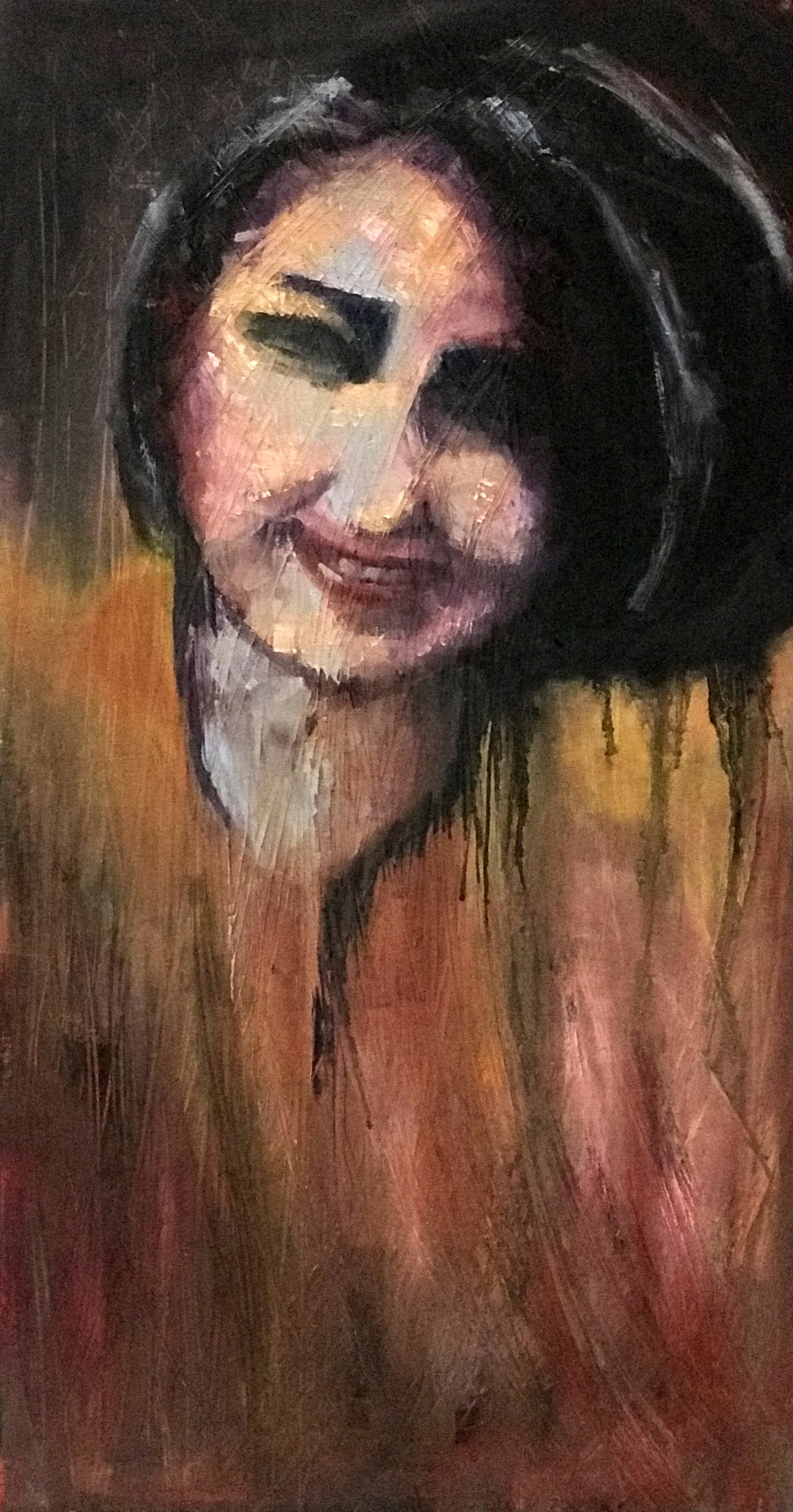
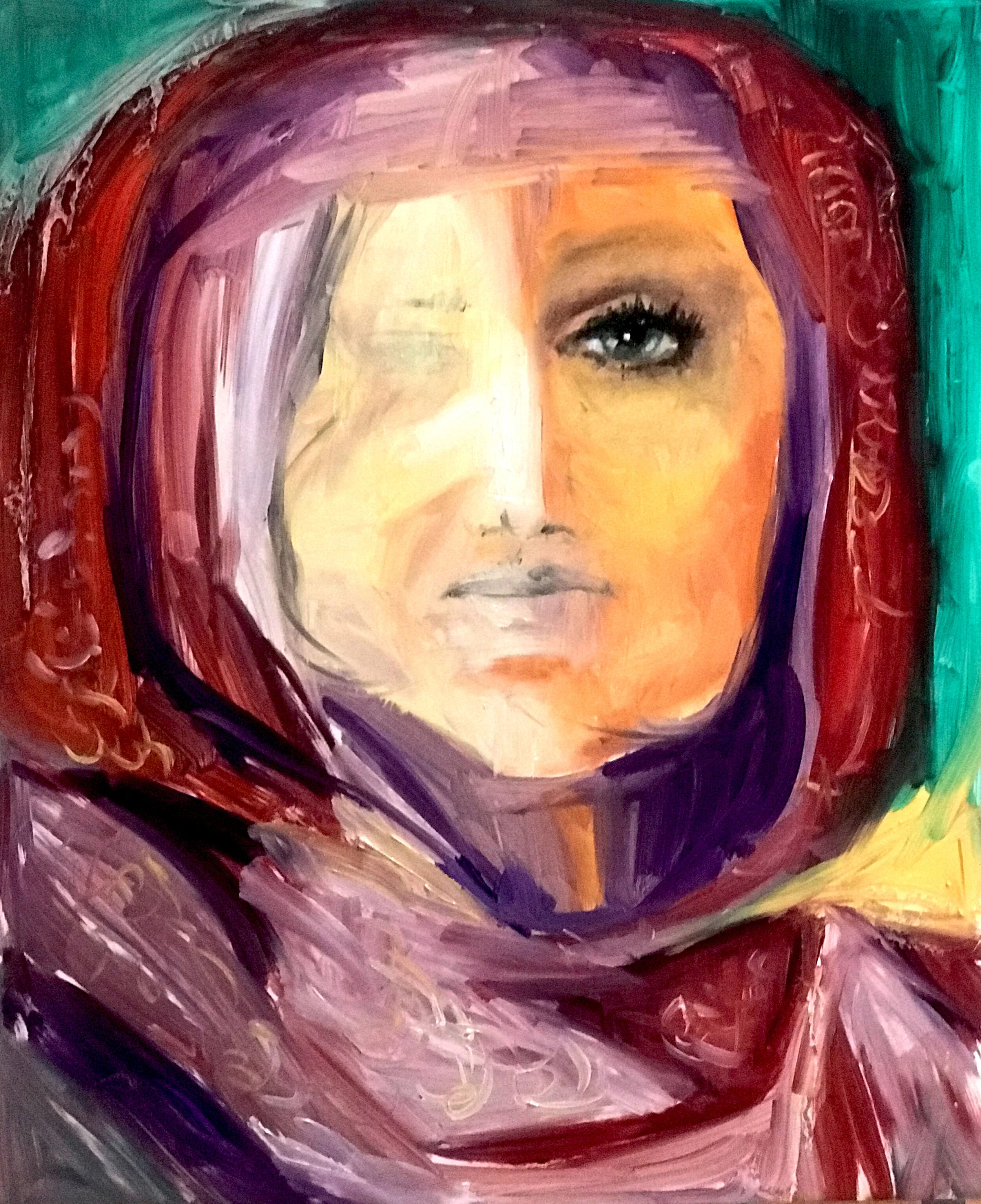
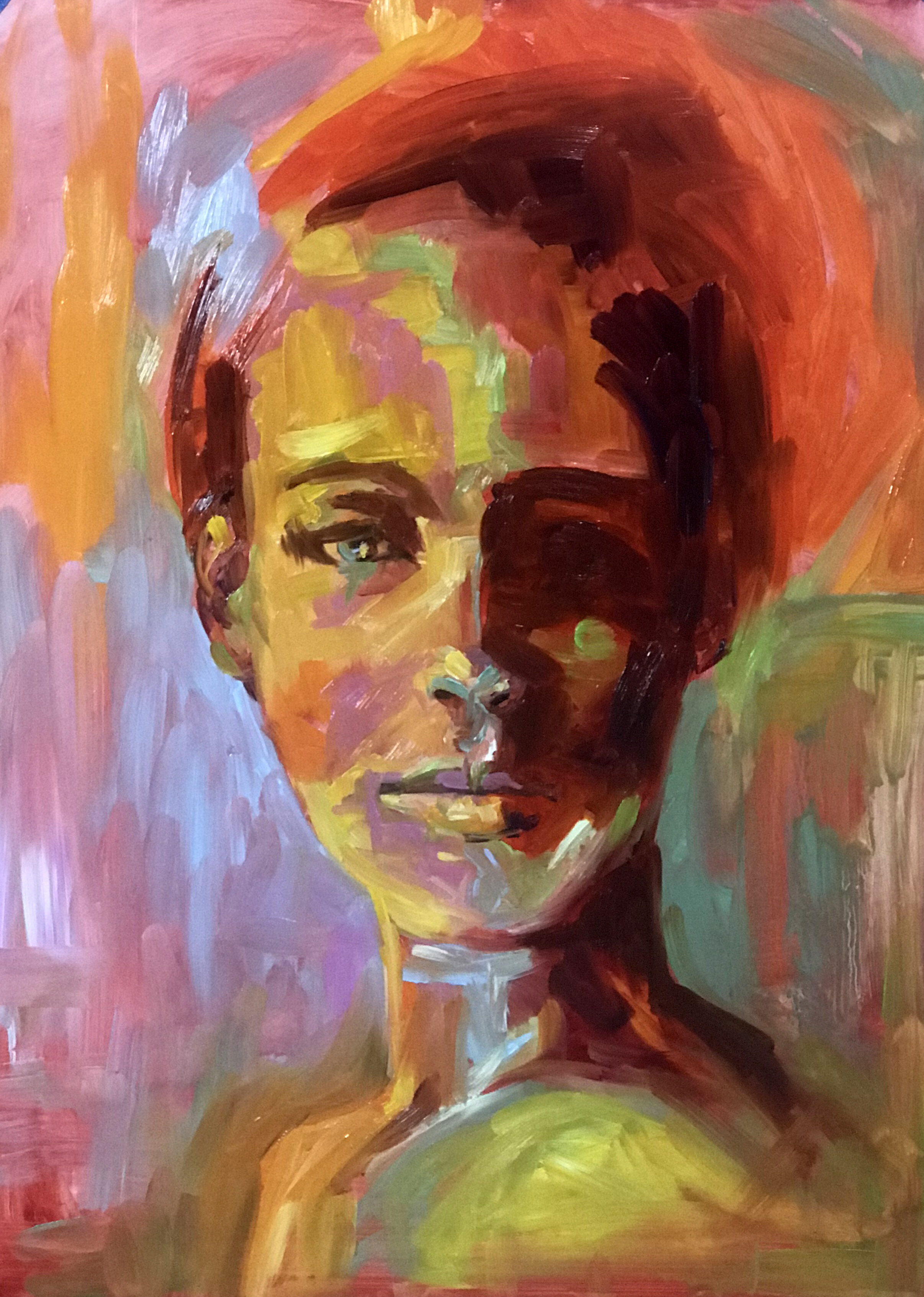
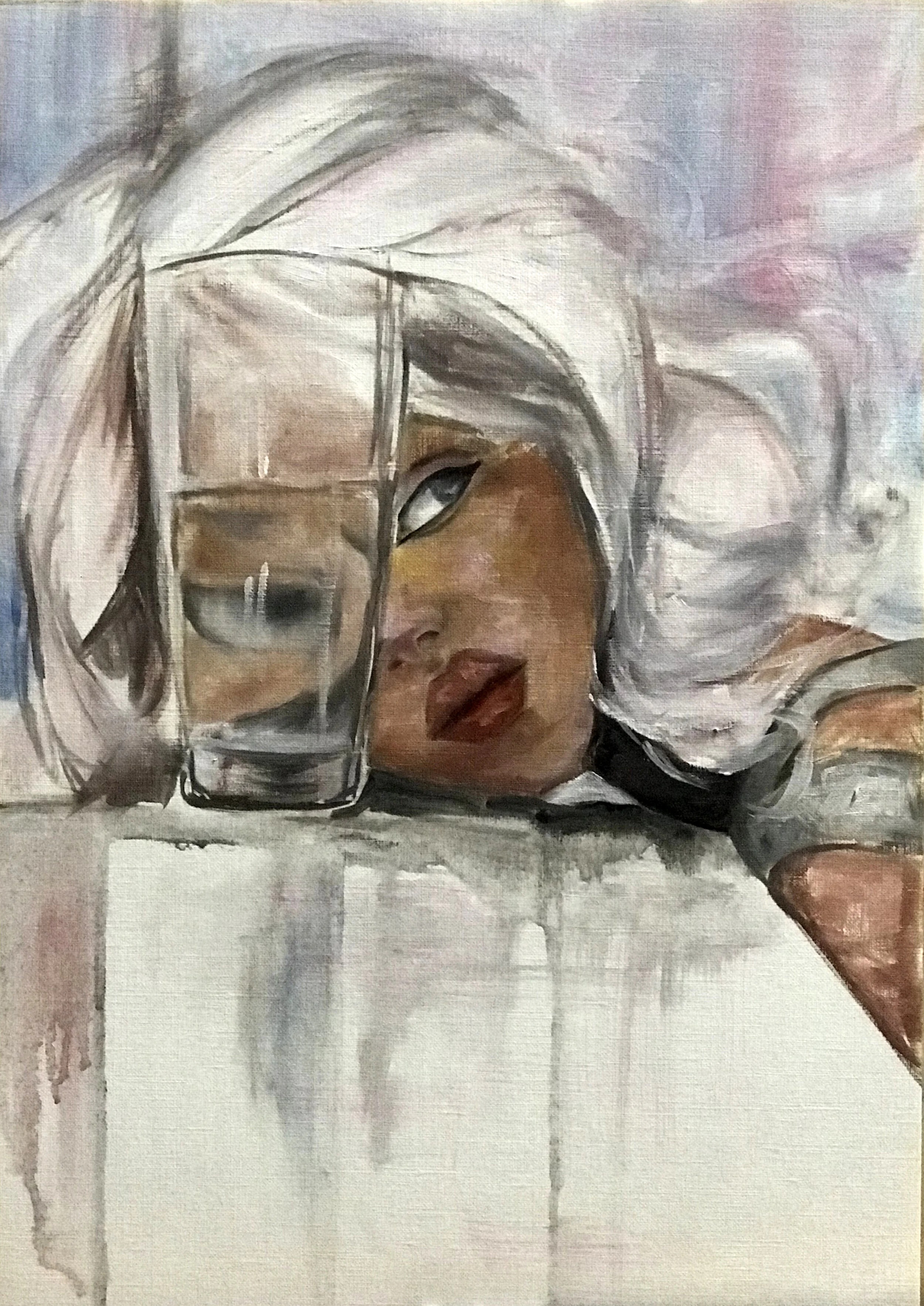
Fragmented (1 Corinthians 13:12) explores the human condition of partial sight and mediated perception as described in the Apostle Paul’s reflection on knowing “through a glass, darkly.” In this work, the figure is encountered not as a singular, fully resolved presence, but as a series of discontinuous, refracted impressions — glimpsed through surfaces that divide, distort, and reflect rather than reveal directly.
The composition intentionally embraces fragmentation as a formal strategy: the glass element becomes both barrier and lens, suggesting that what we see of ourselves and others is always shaped by intermediary structures — cultural, psychological, and spiritual. This visual articulation resonates with the biblical metaphor of incomplete understanding, inviting viewers into a space where clarity is anticipated yet not fully present. The painting acknowledges that human vision — and by extension, human knowing — is inherently provisional and relational.
Created during the COVID-era, Fragmented (1 Corinthians 13:12) refers to a vintage 1960s photograph (unknown photographer) as its visual catalyst*, respectfully credited as the original reference source for the imagery. The work does not reproduce the photograph but transforms its visual grammar to engage questions of memory, presence, and the spiritual longing for wholeness.
Here, fragmentation is not mere disjunction but a space of theological and aesthetic tension — a place where faith recognizes both the limitations of the present and the hope of fuller revelation.
For now we see in a mirror dimly, but
then face to face; now I know in part, but
then I will know fully, just as I also have been
fully known. — 1 Corth 13.12 (NASV)