 Image 1 of 1
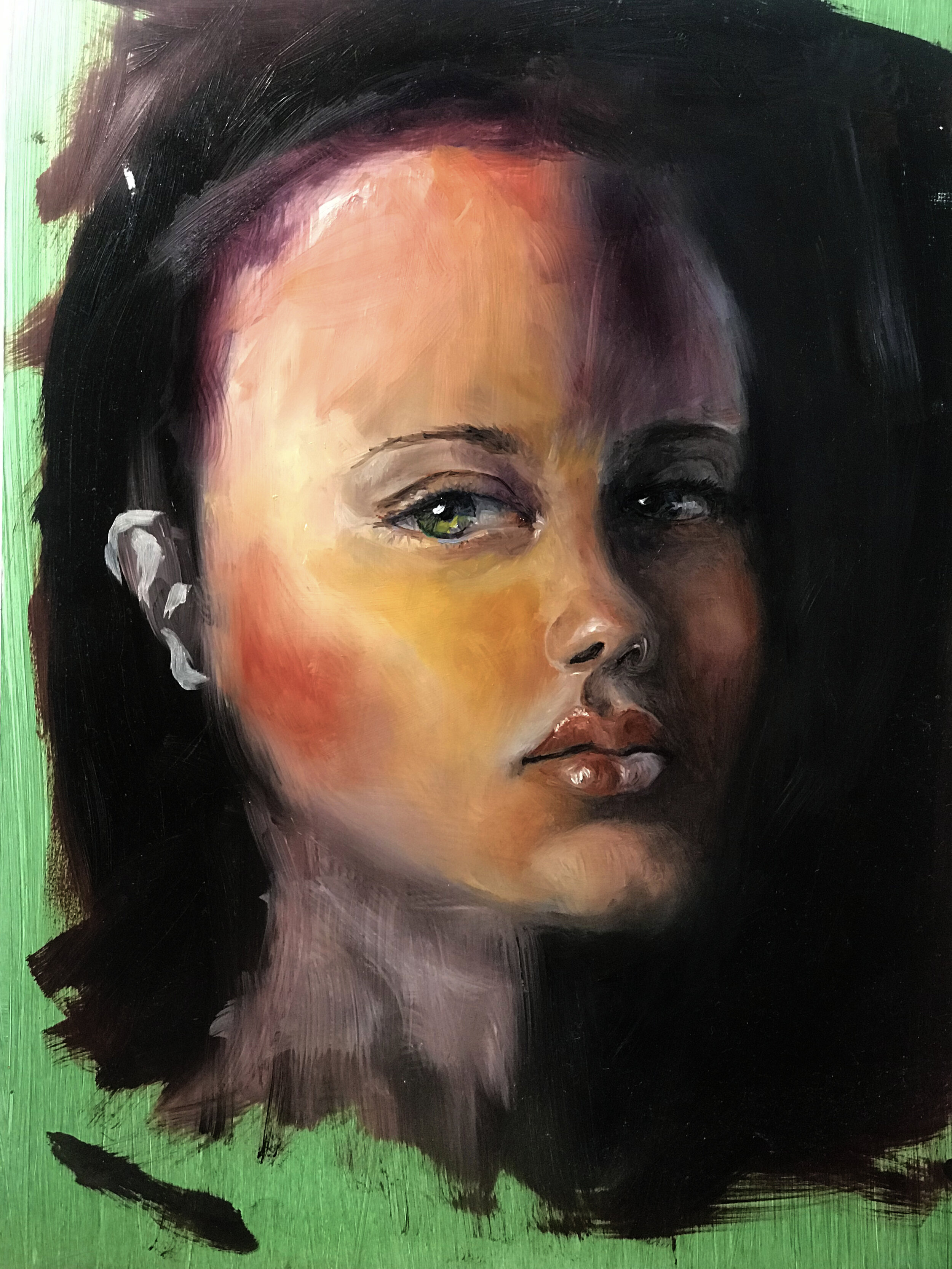
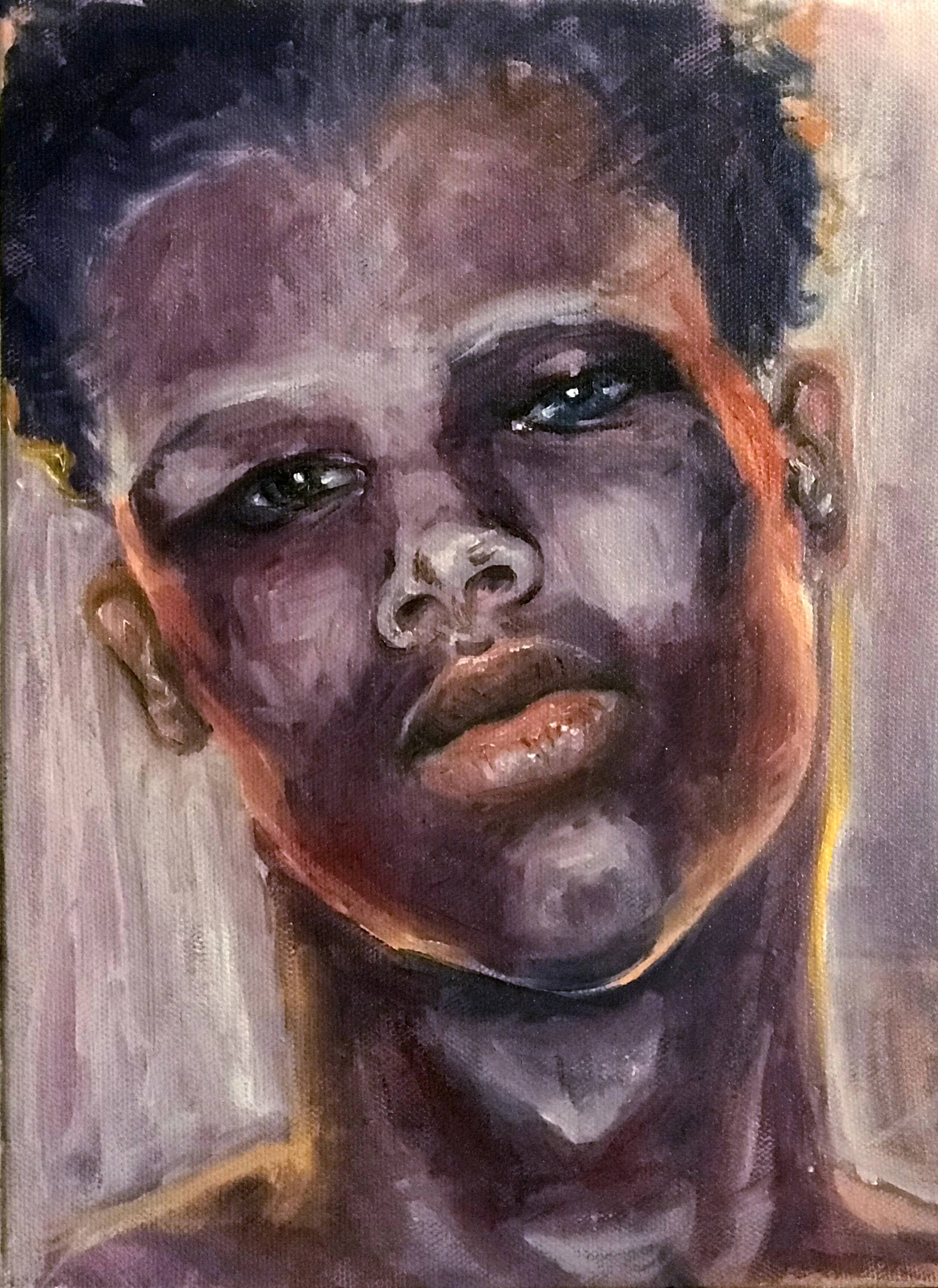
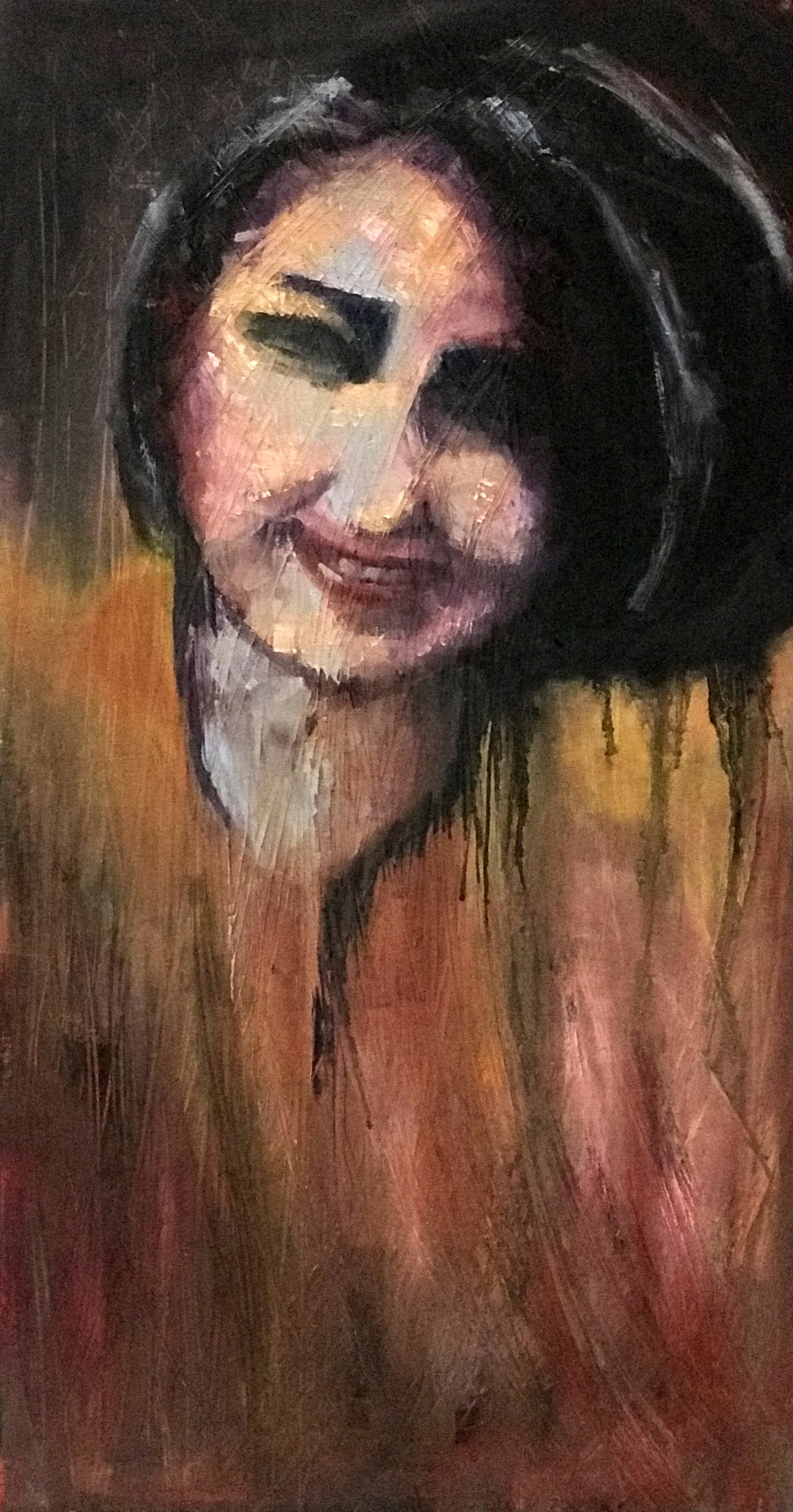
Poised (Esther 4:14) is not intended as a literal portrait of Esther but as a conceptual embodiment of her defining attributes. Rather than illustrating a historical or biblical figure directly, the work seeks to distill and visualize qualities associated with Esther—composure, restraint, moral gravity, and quiet resolve. The title Poised was chosen deliberately. Though the term is less frequently used in contemporary discourse, it encapsulates a virtue that is both timeless and increasingly rare: a state of balanced self-possession maintained under conditions of profound uncertainty.
The subtitle references Esther 4:14, particularly the question posed to Esther: “Who knows whether you have not come to your royal position for such a time as this?” This verse functions as both theological assertion and ethical provocation. It affirms divine providence while simultaneously placing responsibility upon the individual to act. Within the biblical framework, faith is not passive resignation but an invitation to courageous obedience. The verse underscores the belief that one person, when unbound by fear and responsive to God’s calling, can intervene decisively in the course of history.
The biblical narrative of Esther is often loosely compared to a Cinderella story—a young, seemingly ordinary woman elevated to queenship within the most powerful empire of her time. Such a comparison, however, obscures the violence and coercion embedded in the historical account. Esther, along with all eligible virgins in the kingdom, was forcibly removed from her home and family, subjected to a year-long regimen of beautification, and presented to King Ahasuerus (also known as Xerxes). While one woman would be chosen as queen, the remainder were confined permanently to the royal harem, stripped of autonomy and personal agency. Esther’s elevation thus unfolds within a system of profound gendered oppression rather than romantic destiny.
After becoming queen, Esther is confronted with an existential threat to her people through a genocidal decree orchestrated by Haman. The narrative situates her at the intersection of privilege and vulnerability, power and silence, requiring decisive action undertaken at great personal risk to prevent the annihilation of the Hebrew people living in exile. Her choice to act—despite fear and uncertainty—becomes an expression of faith lived out through obedience and moral resolve.
Although the painting does not attempt a physical likeness of Esther, her royal status and interior strength are articulated through formal choices. The portrait is rendered at a larger-than-life scale and presented in a frontal, confrontational orientation, invoking traditions of sovereign portraiture while deliberately withholding overt symbols of authority. The square format is a significant compositional decision. Historically associated with balance, stability, and completeness, the square functions here as a visual metaphor for moral equilibrium—a steadfast posture grounded in faith. Within this contained geometry, the subject’s restrained expression and steady gaze suggest authority rooted not in spectacle or dominance, but in inner conviction and trust in God’s purpose.
In this sense, Poised (Esther 4:14) functions as a visual testimony to the enduring relevance of faith-informed courage. It reflects how God’s call to stand in moments of crisis continues to reverberate through time, reminding viewers that history is not shaped only by power or force, but by individuals willing to respond faithfully—for such a time as this.